Formulation Science · 12 min read
How to Formulate a Hair Oil: Carrier Oils, Actives, and a Finish That Is Not Greasy
Genie Team · Updated Oct 29, 2026
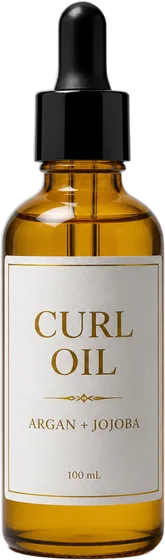
You have a vision for a hair oil. Maybe it is a scalp treatment for a community that has been underserved by the mainstream beauty aisle. Maybe it is a finishing oil for fine, color-treated hair that every product on the market seems to weigh down. Maybe it is a pre-shampoo ritual product built around an ingredient your audience already trusts.
The idea is clear. The formula is not.
Making something like this?
Hair oil formulation looks simple on the surface. It is mostly oils, right? Pour them together and ship. But the founders who have tried that approach know what happens: a formula that sits on top of the hair like a film, or separates in the bottle after six weeks, or smells beautiful in the jar and rancid by month three. The gap between a great-sounding concept and a product people repurchase is almost always in the formulation decisions.
This guide walks you through those decisions, step by step.
What a Hair Oil Actually Does
Before you choose a single ingredient, know what job your product is doing. Hair oils work in a few distinct ways, and the formula changes depending on which one you are designing for.
Pre-shampoo treatment. Applied to dry or damp hair before washing, this product has time to penetrate. You can use heavier, more occlusive carriers and higher levels of actives because the formula will be rinsed away. Residue is less of a concern here.
Scalp oil. Applied directly to the scalp, massaged in, and either rinsed or left on. The scalp is skin, so you are formulating for skin absorption as much as for hair. Lightweight, fast-absorbing carriers matter a great deal here. Comedogenicity is worth thinking about.
Leave-in finishing oil. Applied to dry or towel-dried hair to smooth, add shine, and protect from heat or environmental stress. This is where the greasy-versus-not-greasy question is most critical. Every formulation decision you make will be judged by whether the hair looks and feels clean after application.
Multi-use oil. Some products span two or three of these functions. That flexibility is a real selling point, but it means you are optimizing for multiple use cases at once, which adds complexity.
Decide which of these you are building before you open the ingredient list.
Step 1: Choose Your Carrier Oil Base
Carrier oils are the backbone of the formula. They make up the bulk of what is in the bottle, typically somewhere between 60% and 95% of the total formula depending on what else you add. The specific range moves based on how many actives, esters, or silicones you incorporate.
The most important variable in carrier selection for a hair oil is fatty acid profile. Oils rich in smaller, more linear fatty acids tend to penetrate the hair shaft. Oils dominated by larger, more branched fatty acids tend to sit on the surface and coat rather than absorb.
Penetrating Carriers
Coconut oil is the most-studied penetrating carrier for hair. Its high lauric acid content gives it a strong affinity for hair proteins, and research on its ability to reduce protein loss during washing is well-documented in the cosmetic chemistry literature. The challenge: it is solid below about 24°C, which limits its use in a clear, pourable formula unless you blend it with liquid carriers or use a fractionated version. Fractionated coconut oil loses some of the lauric acid that makes virgin coconut oil effective, so the grade you choose changes the performance. Typical use level in a hair oil blend is 10% to 50%, and what moves that range is the texture goal and the other carriers in the formula.
Sunflower oil is light, affordable, and high in linoleic acid. It absorbs reasonably well and works as a cost-effective base extender. Its weakness is oxidative stability. Sunflower oil goes rancid faster than most carriers, so if it is a major part of your base, your antioxidant system and packaging decisions matter a great deal. Typical range: 10% to 40%.
Argan oil has become a category-defining ingredient for good reason. High in oleic acid and tocopherols, it absorbs without a heavy residue and has a sensory profile that reads as luxurious rather than oily. It is also expensive, and the quality varies significantly by supplier and origin. Typical range in a formula: 5% to 30%, with the upper end reserved for hero-ingredient positioning where cost supports it.
Marula oil is oleic-acid-dominant, fast-absorbing, and carries a strong origin story. It performs similarly to argan in sensory terms and has become a go-to for brands targeting a premium or natural positioning. Typical range: 5% to 25%.
Surface and Conditioning Carriers
Castor oil is thick, high in ricinoleic acid, and does not penetrate the hair shaft the way lauric-acid carriers do. What it does is coat and condition, add slip, and contribute to a glossy finish. It is also what makes a formula feel heavy if you use too much. In a lightweight finishing oil, castor oil is usually kept low, somewhere in the 2% to 10% range. In a scalp-treatment product where you want occlusion and extended contact, you can push it higher.
Jojoba oil is technically a liquid wax, not a triglyceride oil, and it behaves differently because of it. It is extremely stable, does not go rancid easily, and has a dry, non-greasy skin feel. It is often used as a partial substitute for heavier carriers to lighten the overall sensory profile. Typical range: 5% to 20%.
Squalane (plant-derived, usually from sugarcane or olive) is one of the most skin-compatible emollients available. It absorbs quickly, has almost no scent, and adds a silky rather than oily feel. It is a strong choice for scalp oil formulations and for lightening a finishing oil. Typical range: 5% to 20%.
Blending for the Right Finish
The greasy-versus-not-greasy problem is almost always solved at the carrier blending stage. A formula built on 80% castor oil will never feel lightweight. A formula built on 60% squalane and 20% jojoba will absorb quickly and leave a dry-touch finish.
A practical starting framework for a lightweight leave-in finishing oil: anchor the base with a fast-absorbing oleic-acid carrier like argan or marula at 30% to 50%, extend it with squalane or jojoba at 10% to 20%, and use heavier carriers like castor only as a small modifier for slip and gloss. Then adjust from there based on what your actives and esters contribute.
Step 2: Add Your Active Ingredients
Actives are what make your formula more than a carrier blend. They are the ingredients doing specific work for the scalp or hair, and they are often what your brand story is built around.
Rosemary extract (rosmarinic acid, ursolic acid). Rosemary has become one of the most talked-about scalp-care ingredients in recent years, driven by a wave of consumer interest in scalp health and hair density. It is used in scalp oil formulations to support a healthy scalp environment. Use levels vary by extract type and supplier specification; a chemist review will confirm the appropriate range for your specific extract.
Peppermint oil. Used at low levels for scalp stimulation and a cooling sensory experience. The cooling effect is real and perceptible, which makes it a strong experiential differentiator. It is also a sensitizer at higher levels, and there are concentration limits that apply. A limit applies here and is confirmed when a chemist reviews the formula.
Biotin (vitamin B7). A popular addition to hair-focused products because of its consumer recognition. In a topical formula, its role is different from its role as a supplement, and the claims you can make about it are governed by the regulatory framework in your market. Typical use level in a topical oil is low, and what moves it is the solubility system you are working in, since biotin is water-soluble and an anhydrous oil formula requires a solubilizer or a pre-dispersed form.
Tocopherol (vitamin E). Serves a dual function: it is an antioxidant that protects your carrier oils from oxidation, and it is a skin-conditioning active in its own right. Typical range: 0.1% to 1%, with the antioxidant function well-served at the lower end. Going higher does not proportionally increase the benefit and can affect skin feel.
Niacinamide. Water-soluble, so it requires a solubilizer to incorporate into an oil formula. It is used in scalp oil formulations to support an even, healthy-looking scalp. Solubilizing it correctly is a formulation challenge; if the system is not right, you will see cloudiness or separation.
Bakuchiol. An oil-soluble botanical active that has gained traction in skincare and is moving into scalp care. It is compatible with an oil base without solubilization work, which makes it more straightforward to incorporate than water-soluble actives. Typical range: 0.5% to 2%.
Caffeine. Another scalp-care active with strong consumer recognition. Like niacinamide, it is water-soluble and needs a solubilizer in an anhydrous formula. A limit applies in some jurisdictions and is confirmed at chemist review.
A Note on Water-Soluble Actives in Oil Formulas
This is where founders most often go wrong in a way that costs a batch. You find an active you love, it is water-soluble, and you add it to your oil formula anyway. The result is either a cloudy, unstable product or an active that has simply not incorporated and is sitting undissolved at the bottom of the bottle.
The fix is a solubilizer, a cosmetic ingredient that bridges the water-oil interface and allows small amounts of water-soluble material to disperse into an oil system. Common options include polysorbate 20, PEG-40 hydrogenated castor oil, and certain plant-derived alternatives. The right choice depends on the active, the level, and your formulation philosophy. A chemist can confirm the appropriate system for your specific combination.
How you would notice the problem: the formula looks clear when freshly mixed, then develops haziness or a visible layer within days to weeks. If you see that, the solubilization system is not working.
Step 3: Esters and Silicones for Sensory Tuning
This is the step most indie founders skip, and it is often the difference between a formula that performs and one that just exists.
Esters are synthetic or semi-synthetic emollients with a specific, engineered sensory profile. They are not oils in the traditional sense, but they behave like oils in a formula. The reason to use them is precision: you can dial in a dry, silky, or slippery finish in a way that natural oils alone do not always allow.
Isopropyl myristate and isopropyl palmitate are classic examples. They absorb quickly, reduce the oily feel of heavier carriers, and add a smooth, gliding application. They are also comedogenic at higher levels, which matters for a scalp oil formulation. Typical range: 2% to 10%.
C12-15 alkyl benzoate is a lighter, less comedogenic ester with a dry-touch finish. It is widely used in lightweight hair and skin oil formulas for exactly this reason. Typical range: 2% to 15%.
Cyclomethicone and dimethicone are silicones. They are controversial in some communities and beloved in others. What they do is undeniable: they add slip, reduce frizz, protect from heat, and create a smooth, glossy finish without the weight of heavy oils. Dimethicone in particular is a workhorse in finishing hair oils.
The concern is buildup. Silicones coat the hair shaft and can accumulate over repeated use without a clarifying shampoo. If your brand is positioned in the clean beauty or silicone-free space, this is a non-starter. If your audience uses clarifying shampoos regularly or does not have a strong silicone-free conviction, silicones can significantly improve the sensory experience of your formula.
Cyclopentasiloxane (D5) has faced regulatory scrutiny in some markets, including restrictions in rinse-off products in the EU. A limit applies in certain jurisdictions and is confirmed at chemist review.
Step 4: Fragrance and Essential Oils
Scent is a powerful purchase driver and a significant retention factor. It is also one of the most common sources of sensitization complaints in hair and scalp products.
If you are using a fragrance blend, your fragrance supplier should provide an IFRA certificate confirming the blend is compliant with International Fragrance Association guidelines for the relevant product category. Hair oil is a leave-on product applied near the scalp and skin, which puts it in a more sensitive category than, say, a rinse-off shampoo. Typical fragrance use level in a leave-on hair oil: 0.5% to 2%, with the upper end only appropriate for fragrances specifically tested and certified for that level in this application.
If you are using essential oils, the same sensitization considerations apply. Several essential oils, including citrus oils, cinnamon, and clove, have known sensitization potential at higher levels. Limits apply and are confirmed at chemist review.
How you would notice a fragrance stability problem: the scent shifts or fades significantly within the first few weeks of storage, or a discoloration develops in a formula that was initially clear. This usually points to a fragrance-carrier incompatibility or an oxidation issue.
Step 5: Antioxidant System and Preservation
An anhydrous (water-free) hair oil does not need a traditional preservative system the way an emulsion does. Bacteria and mold require water to grow. But oxidation is a real and serious stability threat for an oil-based formula, and it requires its own protection strategy.
Tocopherol (vitamin E) is the most common antioxidant in hair oil formulas. It scavenges free radicals and slows the oxidative degradation of unsaturated fatty acids in your carrier oils. Typical range: 0.1% to 1%.
Rosemary extract (CO2 or antioxidant-grade) is a secondary antioxidant that works synergistically with tocopherol. Note that antioxidant-grade rosemary extract is a different ingredient from the cosmetic-active rosemary extract discussed in the actives section. They can both appear in the same formula for different functions.
BHT (butylated hydroxytoluene) is a synthetic antioxidant used in formulas where a very high level of oxidative protection is needed. It is effective but carries a more conventional cosmetic chemistry profile, which may not align with a natural or clean positioning.
Packaging matters as much as the antioxidant system. Dark glass or opaque packaging significantly slows oxidative degradation. A formula that is stable in dark glass may go rancid in a clear bottle on a shelf in a well-lit bathroom. This is a decision to make before you finalize your formula, not after.
How you would notice oxidation: the formula develops a noticeably different, often unpleasant smell, sometimes described as crayon-like or paint-like. The color may also shift. If you see either of these in stability testing, your antioxidant system or packaging needs adjustment.
Step 6: Build Your Formula Structure
Here is a practical framework for a lightweight leave-in finishing oil. This is a starting structure, not a finished formula. A chemist will refine it based on your specific ingredients, suppliers, and targets.
Base carriers: 60% to 80% of the formula. Anchor carrier (argan, marula, or similar oleic-dominant oil): 30% to 50% Lightening carrier (squalane, jojoba, or C12-15 alkyl benzoate): 10% to 25% Heavy modifier for slip and gloss (castor or similar): 2% to 8%
Actives: 1% to 15% of the formula, depending on what you are using. Oil-soluble actives can be added directly. Water-soluble actives require a solubilizer; budget 2% to 5% of the formula for the solubilizer alongside the active.
Antioxidants: 0.1% to 1%. Tocopherol at the lower end of this range handles most formulas. Add rosemary antioxidant extract if the formula is high in polyunsaturated fatty acids.
Fragrance or essential oil blend: 0.5% to 2%. IFRA-compliant, tested for the leave-on hair-oil category.
Make it to 100% with your anchor carrier.
Step 7: Stability Testing Before You Scale
Stability testing is not optional. It is the step that tells you whether the formula you built will still be the formula in the bottle six months from now.
For a hair oil, the key tests are:
Accelerated stability. Store samples at elevated temperature (typically 40°C to 50°C) and elevated humidity for four to eight weeks. Check for color change, odor change, phase separation, and viscosity shift at regular intervals.
Freeze-thaw cycling. Alternate between low and ambient temperatures to check for separation or crystallization, particularly relevant if your formula contains coconut oil or other carriers that are solid at low temperatures.
Compatibility with packaging. The formula sits in whatever container you choose for months or years. Some carriers and fragrance components interact with certain plastics. Test the formula in your actual packaging.
A chemist review, which is part of the production process on Genie, prepares the final specification documents your manufacturer works from and flags any stability concerns before the formula goes to manufacturing.
From Formula to Manufactured Product
Genie is the AI formulator for indie brands. You build your hair oil formula in Genie, using a database of over 180,000 ingredients with chemistry data behind every choice. The formula is yours in full, with exact ingredient percentages and costs, at no charge. Nothing about the formula is gated.
When you are ready to move from formula to physical product, you start production with a refundable deposit. An experienced chemist reviews your formula and prepares the final specification documents your manufacturer works from, back within five business days. Genie lines up your manufacturer and gets you their sample pricing before you pay it. You try real samples before you approve any run. Your deposit is refunded in full any time before you approve your run, or if your product cannot be made.
If you already have a manufacturer and just need the chemist-reviewed documents to hand them, that is available too. You start it the same way and choose that path; the manufacturing-ready documents are priced on Genie's pricing page and saved to your account within five business days.
Frequently Asked Questions
What is the difference between a scalp oil and a hair oil?
A scalp oil is formulated primarily for application to the scalp skin, where absorption and non-comedogenicity matter most. A hair oil is applied along the hair shaft, where coating, conditioning, and sensory finish are the priority. Many products serve both functions, but knowing which is primary changes your carrier selection and active choices.
Why does my hair oil feel greasy even though I used light oils?
Greasiness in a finished product often comes from the ratio of penetrating to surface-coating carriers, not just the weight of individual oils. Castor oil, even in small amounts, can tip a formula toward a heavy feel. High levels of oleic-acid oils without a dry-touch modifier like squalane or C12-15 alkyl benzoate can also read as greasy. Revisit your carrier ratios before changing your active system.
Can I add water-soluble ingredients like niacinamide or caffeine to a hair oil?
Yes, but you need a solubilizer to incorporate them correctly into an anhydrous formula. Without one, the active will not disperse evenly and the formula may appear cloudy or develop separation. The right solubilizer depends on the specific active and its level in the formula, and a chemist can confirm the appropriate choice.
How do I stop my hair oil from going rancid?
Oxidation is the main cause of rancidity in oil-based formulas. Tocopherol (vitamin E) at 0.1% to 1% is the standard starting point for antioxidant protection. Rosemary antioxidant extract works synergistically with tocopherol. Packaging in dark glass or opaque containers significantly extends shelf life. Formulas high in polyunsaturated fatty acids, like sunflower or rosehip oil, need more robust antioxidant systems than formulas built on more stable carriers.
Do I need a preservative in my hair oil?
A fully anhydrous (water-free) hair oil does not require a traditional antimicrobial preservative because bacteria and mold need water to grow. What it does need is an antioxidant system to prevent oxidative degradation. The exception is if your formula contains any water-soluble components or is used in a way that introduces water into the bottle, such as a dropper used with wet hands. In those cases, contamination risk increases and the formulation approach changes.
What makes a hair oil formula manufacturing-ready?
A manufacturing-ready formula includes exact ingredient percentages, INCI names, supplier specifications, processing instructions, and any regulatory documentation the manufacturer needs to produce the batch. A formula you build yourself, even a well-designed one, typically needs a chemist review and specification preparation before a contract manufacturer can work from it. That review and document preparation is what the production process on Genie provides.