Product Development · 11 min read
AI for Color Cosmetics Formulation: Pigments, Shade Matching, and Where Software Stops
Genie Team · Updated Nov 19, 2026
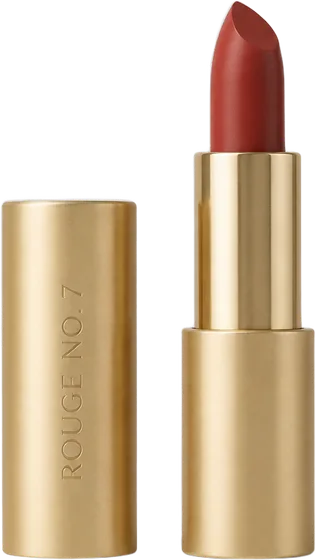
You have a shade in your head. Maybe it's a terracotta lip color that sits exactly between matte and satin, or a pressed eyeshadow with a duochrome shift that photographs differently on every skin tone. You know what you want. The question is how to get from that vision to a formula a manufacturer can actually run.
Color cosmetics are the most technically demanding category in beauty. The base has to perform. The pigments have to disperse evenly, stay stable, and comply with the regulations of every market you sell into. The shade has to hit on skin, not just on paper. And all of that has to survive heat, humidity, and the supply chain between a contract manufacturer and your customer's bathroom shelf.
Making something like this?
This is general information, not legal or regulatory advice. What follows is a practical look at what AI can genuinely handle in color cosmetics formulation, and where human chemistry expertise is still the thing that gets your product made safely and consistently.
Why Color Cosmetics Are a Different Problem
A moisturizer is complex. A lipstick is a different order of complexity.
Every color cosmetic is two formulation challenges layered on top of each other. First, you have the base: the waxes, oils, emollients, and binders that determine texture, payoff, wear time, and skin feel. Second, you have the color system: the pigments, lakes, micas, and effect materials that create the shade and finish. Those two systems have to work together. Change the oil phase and you change how pigments disperse. Change the pigment load and you change the melting point. Change the wax ratio and you change the payoff.
Then add the regulatory layer. Every colorant has to be permitted for the specific area of the face where it will be used. A colorant approved for general face use may not be approved for lip products or eye products in the same market. And the permitted list is not static. Your chemist checks your colorant choices against the current list for every market where you plan to sell, because the rules change and no blog post can keep up with them in real time.
This is the environment where AI formulation tools are being built and tested in 2026. The results are genuinely useful, but the usefulness has a clear shape.
What AI Can Do Well in Color Cosmetics
Build the Base for Each Format
Every color cosmetic format has a structural logic. A bullet lipstick needs a wax matrix with enough rigidity to hold its shape at room temperature and enough slip to apply cleanly. A liquid lip product needs a different film-forming system entirely. A pressed powder needs binders and slip agents that compress without crumbling. A cream blush needs an emollient-rich base that blends on skin without pilling.
AI formulation tools trained on cosmetic chemistry can propose a starting base for each of these formats, drawing on the relationships between ingredients that experienced formulators have documented over decades. That means you get a structurally sound starting point, not a blank page.
For founders who are not cosmetic chemists, this matters enormously. You don't have to understand the melting point of every wax or the skin-feel difference between different esters to get a workable first draft. The AI handles the structural logic of the base.
Match a Shade from a Reference
Shade development in traditional formulation is iterative and expensive. A formulator mixes pigment combinations by hand, draws down samples, evaluates them under different light sources, adjusts ratios, and repeats. Each iteration takes time and lab materials.
AI can compress the early part of this process significantly. When you describe a reference shade, or upload a color reference, an AI formulator can propose a pigment combination and starting ratios that should produce something close to that target. It draws on the predictable behavior of colorants in a given base: how iron oxides shift in a high-wax matrix, how micas layer with absorbing pigments, how a high oil load affects depth of color.
This is not a guarantee of a perfect first-draw match. Shade on skin depends on the base, the application method, skin tone, and the light source. But AI gets you to a rational starting point for your pigment system, which is a real time saving.
Model Pigment Load and Dispersion
Pigment load is one of the most consequential decisions in color cosmetics. Too low and the payoff is sheer when you wanted opaque. Too high and the product becomes difficult to apply, the texture suffers, and the stability of the base can be compromised. Some pigments are also oil-absorbing, which changes the feel of the finished product at higher loads.
AI formulation tools can model the likely behavior of a given pigment load in a given base type, flagging combinations that are likely to cause problems before you ever make a physical sample. This is not perfect prediction. Physical testing is still essential. But it narrows the range of likely failures before you spend money on samples.
Dispersion is related. Some pigments clump in certain bases without a dispersing agent or a milling step. AI can flag these relationships and suggest dispersing strategies, which is knowledge that used to live only in the heads of experienced cosmetic chemists.
Estimate Cost Per Unit
Pigments vary enormously in price. Effect pigments, interference micas, and specialty colorants can cost multiples of what basic iron oxides cost per kilogram. When you're building a color range, the cost per unit of your shade development choices matters as much as the shade itself.
AI formulation tools can surface cost estimates as you build the formula, so you're making shade decisions with the economics visible. This is one of the less glamorous but genuinely valuable things software can do for an indie founder: you don't discover at the manufacturing quote stage that your hero shade is unworkable at your price point.
Explore Texture and Payoff Variations
The difference between a matte, satin, and glossy finish in a lip product is largely a function of the base: the ratio of waxes to oils, the presence of film formers, the type and amount of emollients. AI can generate variations across a finish spectrum from a single starting formula, so you can see what changes when you move from matte to satin without having to reformulate from scratch each time.
This kind of systematic variation is tedious to do by hand. It's fast in software, and it gives you a clearer picture of your product architecture before you commit to a sample run.
The Lip Product Case: A Closer Look
Lip products are worth examining in detail because they sit at the intersection of every challenge in color cosmetics. The base chemistry is demanding. The regulatory requirements for colorants are stricter than for face products in most markets. And the consumer expectation for texture, payoff, and wear is high.
A lipstick formula has to solve for: structural integrity at a range of temperatures, comfortable wear, color payoff that matches the bullet, color consistency across a shade range, and stability over the product's intended shelf life. Each of those requirements interacts with the others.
AI can propose a starting wax and oil system for a lip base, suggest a pigment combination for a target shade, and model the likely payoff and texture. What it cannot do is guarantee that the formula is stable over 12 or 24 months, that the colorants you've chosen are permitted for lip use in your target markets, or that the shade will be consistent across manufacturing batches without a proper color specification.
If you're building your first lip product, the piece on waxes, butters, and ratios in lip balm formulation is a useful grounding in the base chemistry before you layer in color.
Where a Chemist Still Has to Take Over
This is not a limitation of any particular tool. It's a structural reality of color cosmetics development.
Stability
A formula that looks right on day one can fail at month three. Pigments can bleed in a high-oil base. Waxes can bloom on the surface of a lipstick if the cooling rate during manufacturing is wrong. Emulsions in cream products can separate. Stability testing, accelerated and real-time, is the only way to know whether a formula will hold up over its intended shelf life.
AI can flag formulation choices that are associated with stability risks. It cannot run the stability test or interpret the results. That's the chemist's job.
Preservative Systems (Where Required)
Anhydrous products like lipsticks and pressed powders generally don't require preservatives. But any color cosmetic with a water phase, including cream blushes, liquid foundations, and many eye products, needs a preservative system that is effective across the likely microbial challenge, compatible with the formula, and compliant with the regulations of the markets where you sell.
Preservative selection in a complex color formula requires chemistry expertise. The wrong choice can cause instability, skin sensitization, or regulatory failure. This is not a decision to leave to software alone.
Colorant Compliance
This is the regulatory dimension of color cosmetics that catches founders most often. Every colorant in your formula has to be permitted for the specific use area (lips, eyes, face) in every market where you sell. The permitted lists differ between the US, the EU, the UK, and other markets. They are updated over time. And the consequences of using a non-permitted colorant range from import rejection to product recall.
Your chemist checks your colorant choices against the current permitted lists for your target markets. No software tool, including Genie, substitutes for that check. When a formula is reviewed by a chemist through Genie, this is part of what that review covers.
Shade Consistency Batch to Batch
Getting a shade right in a lab sample is one problem. Getting the same shade consistently across manufacturing batches is a different problem, and it belongs to the manufacturing process as much as the formula.
A color specification, sometimes called a master standard, defines the acceptable range of variation for a shade. It's built from approved samples and measured with color matching instruments. Your chemist and your manufacturer both need this document. AI can help you arrive at a target shade. Building and holding the specification across a production run is a human and manufacturing process.
How Genie Handles Color Cosmetics
Genie is the AI formulator for indie brands. In color cosmetics, that means you can bring a shade direction, a format, and a set of performance goals, and Genie generates a formula with every ingredient and every percentage visible from the first draft. The formula is built on a 180,000-row ingredient database with chemistry data, so the structural relationships between ingredients are grounded in real formulation science.
You can iterate on the formula before you pay anything. Adjust the pigment load, explore a finish variation, shift the base toward a different texture. Every change is reflected in the formula in real time.
When you're ready to take the formula toward manufacturing, a real chemist reviews it and prepares the documents a manufacturer needs, within 5 business days. That review covers stability considerations, colorant compliance questions, and the technical documentation your contract manufacturer will ask for. The manufacturing-ready documents are yours to take to any manufacturer.
Asking manufacturers is free, up to three at a time. They don't see your formula unless they say yes. When a manufacturer says yes, you pay for samples through Genie at their price plus a small payment fee, and Genie pays your manufacturer once you've paid, so your samples can start. Every price is visible before you pay it. Full pricing details are at Genie's pricing.
Genie develops the formula. The manufacturer produces it. The chemist bridges the two. That's the structure, and it's designed so that an indie founder can move from a shade idea to a manufactured product without needing a lab of their own.
Building a Color Range, Not Just a Single Shade
Most color cosmetics brands launch with a range, not a single product. A lip collection might have six to twelve shades. An eyeshadow palette has multiple colors in a single pan. A blush range covers different undertones.
The formulation logic of a range is different from the logic of a single shade. You want a consistent base across the range, so the texture and wear time are uniform. You want a color system that can produce the full range of shades without requiring a completely different formula for each one. And you want the economics to work: a range built on a common base is easier to manufacture and more cost-efficient than a range of unrelated formulas.
AI formulation tools are well-suited to this kind of systematic range development. Start with a base that performs the way you want, then generate shade variations within that base. The structural decisions, the wax ratio, the emollient system, the finish level, are made once. The color system is what varies. This is how professional cosmetic chemists approach range development, and it's an approach that AI makes accessible to founders who are doing this for the first time.
Frequently Asked Questions
Can AI really match a specific shade I have in mind?
AI can get you to a rational starting point for a target shade, based on the known behavior of pigments in a given base type. It won't guarantee a perfect first-draw match, because shade on skin depends on the base, the application method, and skin tone. But it compresses the early iteration significantly and gives you a pigment system grounded in formulation science rather than guesswork.
Does AI handle colorant compliance for lips and eyes?
No software tool substitutes for a chemist checking your colorants against the current permitted lists for your target markets. Every colorant has to be permitted for the specific use area, and the permitted lists differ between markets and are updated over time. When a formula is reviewed by a chemist through Genie, colorant compliance is part of what that review covers.
What formats does AI color cosmetics formulation cover?
Genie covers color cosmetics formats including lip products, eyeshadow, blush, bronzer, highlighter, foundation, and concealer, as well as color cosmetics adjacent products like primers and setting products. The AI generates a base appropriate to the format, then layers in the color system.
How is AI formulation different from just buying a white-label product?
A white-label product is someone else's formula with your label on it. AI formulation gives you a custom formula, your own ingredient choices, your own shade, your own performance profile. You own the formula. That means you can differentiate on ingredients, on shade, and on positioning in a way that a white-label product doesn't allow.
What does a chemist review actually add to an AI-generated formula?
A chemist review adds the things that require professional judgment and current regulatory knowledge: stability assessment, preservative selection where the format needs one, colorant compliance for your target markets, and the manufacturing documentation a contract manufacturer requires to run your product. The AI generates a technically grounded starting formula. The chemist makes it ready to manufacture.
Is color cosmetics formulation harder than skincare formulation?
In most respects, yes. Color cosmetics require solving the base and the color system simultaneously, and the two interact in ways that affect both performance and stability. The regulatory layer for colorants is also more complex than for most skincare ingredients, because permitted colorants vary by use area and by market. That said, AI formulation tools make the complexity more navigable for founders who are approaching it for the first time.
Your shade idea is real. The chemistry to build it exists. What's changed in 2026 is that the gap between a founder with a vision and a formula ready for a chemist's review is smaller than it has ever been.
Key Takeaways
- Color cosmetics formulation involves two simultaneous challenges: building the right base for your format and building a color system that performs within it.
- AI can propose a structurally sound base, match a target shade from a reference, model pigment load and dispersion, estimate cost per unit, and generate finish variations systematically.
- A chemist is still essential for stability assessment, preservative selection where the format requires it, colorant compliance against current permitted lists, and manufacturing documentation.
- Every colorant must be permitted for the specific use area (lips, eyes, face) in every market where you sell. Your chemist checks this against the current list; no software tool replaces that check.
- Building a range on a common base is more cost-efficient and easier to manufacture than building unrelated formulas for each shade.
- Starting on Genie is free. Every ingredient and every percentage is visible from the first formula. You build the product end to end before you pay anything.